Tanvi Krishnani

Conservation Scientist

Tanvi grew up exploring the Indian jungles which encouraged her to pursue a career in wildlife conservation. Tanvi completed her Master's degree in Conservation Science from The University of Queensland where her research focused on human-elephant conflict in India. Presently, she is engaged in a collaborative PhD program between IIT Delhi, India, and UQ, focusing on a grassroots examination of Illegal Wildlife Trade, particularly the involvement of indigenous communities in the rhino trade in Nepal.

Filmmaker

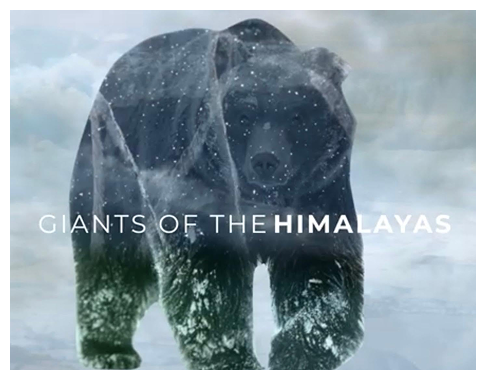
Tanvi is actively involved in wildlife filmmaking and has been featured in National Geographic documentaries titled 'Giants of the Himalayas' and ' Feral in the Mountains'. Her ultimate aspiration is to safeguard and preserve wild animals and their natural habitats, while also seeking solutions to foster coexistence between humans and wildlife. I am particularly interested in using film not only to create awareness, empathy and connection, but to help translate attention into practical action and implementation.
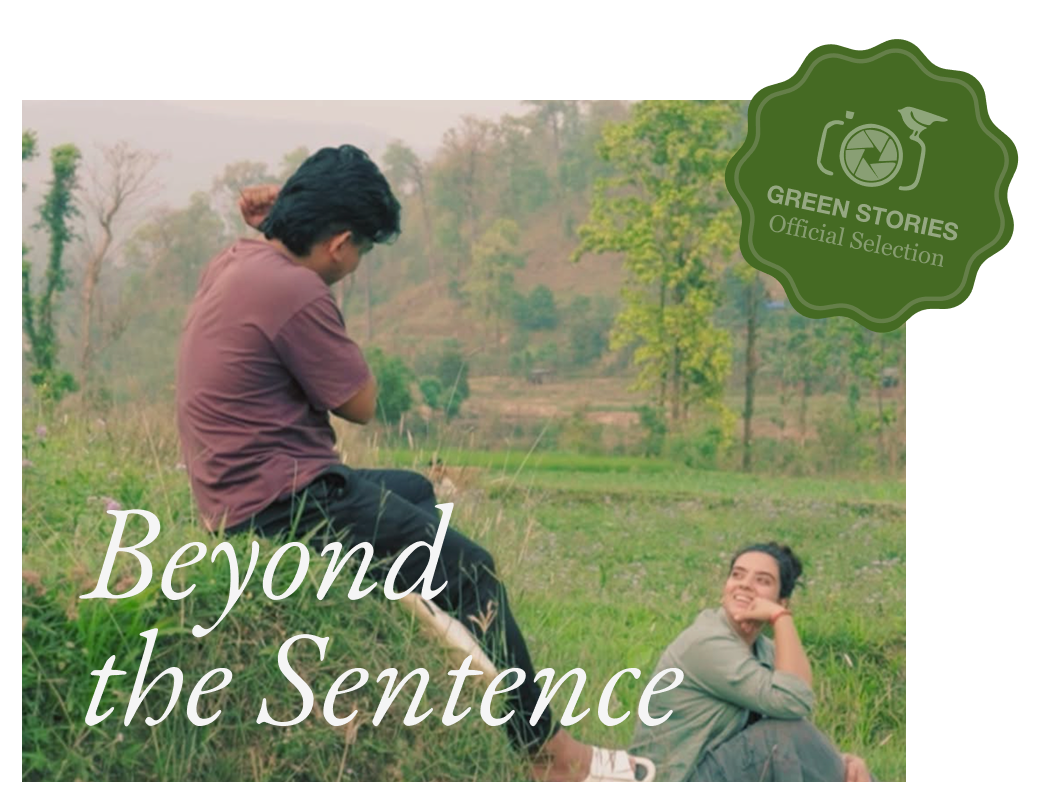
Beyond the Sentence

Grassroots examination of Illegal Wildlife Trade, particularly the involvement of indigenous communities in the rhino trade in Nepal.

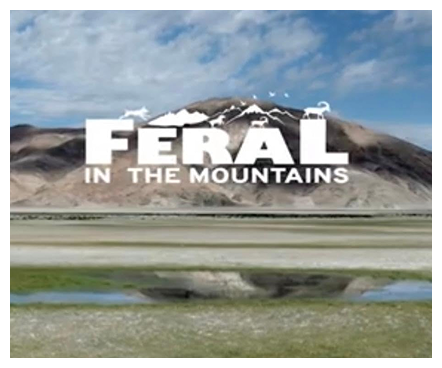
Feral in the Mountains

A team of conservationists face extreme conditions in search of Himalayan brown bears in one of the coldest inhabited places on Earth. Understand the threats that these bears face with the team of Giants of the Himalayas.

Giants of the Himalayas

A team of conservationists face extreme conditions in search of Himalayan brown bears in one of the coldest inhabited places on Earth. Understand the threats that these bears face with the team of Giants of the Himalayas.

Community Centered Conservation & Research

I recently completed my PhD, working directly with communities around Chitwan National Park in Nepal. My research took a bottom-up approach to understanding illegal wildlife trade, engaging directly with Chepang community members who had been incarcerated for rhino poaching, as well as their families. Rather than viewing illegal wildlife trade only through enforcement and punishment, the research explored the underlying social, economic, cultural and governance factors that shape people's motivation to get involved in illegal wildlife trade. A key focus of my work is the role of community empowerment, access to opportunities and resources, meaningful engagement with conservation programmes and locally grounded solutions in addressing illegal wildlife trade. I believe long-term conservation is strengthened when communities are supported to build secure futures alongside the protection of wildlife.

Education & Community Outreach

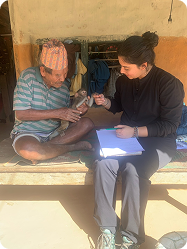
Tanvi in Nepal talking to a community member
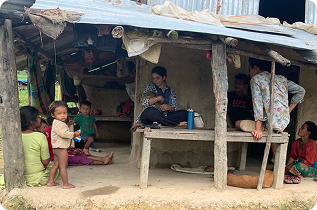
Tanvi in Nepal with the community
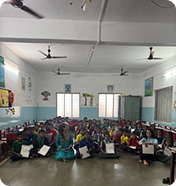
Tanvi sitting in classroom with the kids
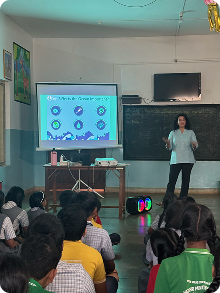
Tanvi teaching the kids
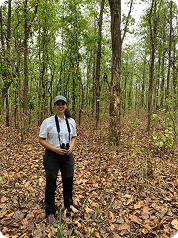
Tanvi among the trees

I am working with students and young individuals through environmental education workshops, films, and hands-on activities to explore topics such as waste management, responsible environmental citizenship, and marine conservation. The workshops also encourage young people to reflect on their individual role in protecting the natural world. I see education as a powerful pathway from awareness to action. I am working with students and young individuals through environmental education workshops, films, and hands-on activities to explore topics such as waste management, responsible environmental citizenship, and marine conservation. The workshops also encourage young people to reflect on their individual role in protecting the natural world. I see education as a powerful pathway from awareness to action.

8 year old Tanvi fell in love with animals after getting home Caeser their family dog who she connected with more than any human

Started exploring options with animals working in zoos, rescue centres and wildlife camps.

Started interning at Kalpavriksh where I met the most amazing people who were so passionate about their work in conservation and had the best library for a young person like me to read and learn about all the possibilities within the field of conservation. Here I realised my interest lay in human-animal interactions.

Master of Conservation Science in Australia which opened up my viewpoint and really made me come into myself and really trust that i was in the right place and doing what i was menat to be doing- working for conservation

Post doing fieldwork for Masters thesis on human elephant conflict, starts questioning whether pure research is the direction I want to take - a farmer who had lost all his crops right before harvest while interviewing him said something that changed the direction of my career. He told me ‘ten people like you have come and asked me the same question - my situation has not change‘. Since then I have been looking into wysa to make my work have real life impcat. It got me into filmmaking as I felt it to be the best way to communicate science to a broader audience beyond the scientific community.

Years of unrest and exploration- working on films, applying for volunteering opportunities, questioning life and figuring out what is important and choosing that path

Fieldwork in Nepal, shifted entire perspective of my topic and chose to focus on a more pressing issue the community was facing which was illegal wildlife trade

Finally defended my phd and received my degree